
October 14, 2026
Dead Sea Scrolls: The Exhibition Comes to Houston
See one of the most transformative archaeological discoveries in modern history
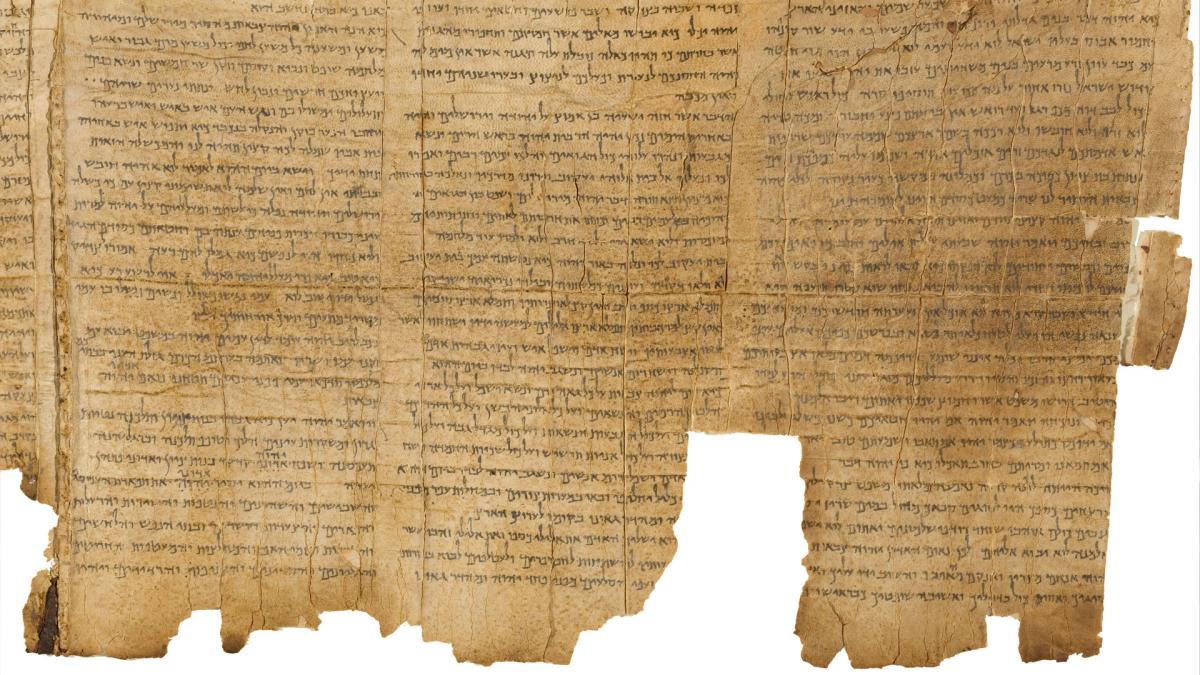
Photos: Courtesy The Shrine of the Book
In 1946 Bedouin shepherd Muhammed edh-Dhib stumbled into a cave near the Dead Sea in the West Bank in the Judaean Desert. He, his cousin and another shepherd, and later teams of archeologists, found some 15,000 ancient scrolls and fragments, collectively now called the Dead Sea Scrolls, over the next ten years. Many of these historical documents and accompanying artifacts reside in the Shrine of the Book, part of the Israel Museum, in Jerusalem. But a traveling exhibit is about to open here at the Houston Museum of Natural Science (HMNS).
“Hosting these exceptional artifacts offers our community an incredible opportunity to connect directly with the foundational history of human culture and scholarship,” says Dr. Dirk Van Tuerenhout, Curator of Anthropology and Director of Collections for HMNS. “The discovery of these texts pushed our understanding of biblical manuscripts back by more than a thousand years, fundamentally changing global archaeology. We are thrilled to bring an exhibition of this magnitude to Texas.”
Besides being incredibly important documents for Biblical scholars and historians, Van Tuerenhout says the exhibit offers a fascinating glimpse into the daily lives of people from the Second Temple period more than two thousand years ago.
Created by the Israel Antiquities Authority from the collections of the National Treasures, Dead Sea Scrolls: The Exhibition, opening November 21, includes The Magdala Stone with its intricate carvings of the Temple and the Sea of Galilee Boat, often called the Jesus Boat, a 1st century fishing boat found in 1986 along the shores of Galilee. You can also see Aramaic, Hebrew, and Latin ostraca, small potsherds bearing writing, botanical remains such as pomegranate peels, walnut shells, and olive pits.
But the star attraction are the scrolls and scroll fragments. Even though they have toured the U.S., and Houston, before, Van Tuerenhout says the technology since then has enhanced the importance of the documents.
“Originally, it was like a giant jigsaw puzzle, it was ‘please don’t sneeze!’ because all the fragments could fly off the table. But now they just take a picture of the fragments and run it through the computer, and it can piece sentences and even words together that we couldn’t match before.”
Because of the fragile nature of the 2,000-year-old manuscripts, fragments will rotate three times during the exhibition’s almost year-long run. The world’s oldest surviving Biblical manuscripts reveal an unrivaled, firsthand look at the diverse religious philosophies, scribal traditions, and cultural landscapes that eventually shaped Western civilization.
The exhibit starts November 21 and runs through next September with accompanying lectures and special events. Check the HMNS website for details closer to the opening.
by Marene Gustin